


Essential Resources for Perfecting Your Breadmaking Skills

Breadmaking is a rewarding craft that combines science, art, and patience. Whether you are a beginner or an experienced baker, having the right resources can make a significant difference in your results. This post shares some of the best tools, books, websites, and communities that help improve breadmaking skills and inspire creativity in the kitchen.
IMPORTANT!!!! I VERY strongly recommend you choose only one recipe and perfect it. It's excellent practice and you'll have more time to learn and study your dough.
450g Flour
315g Water
150g Starter
475 20m
450 20m
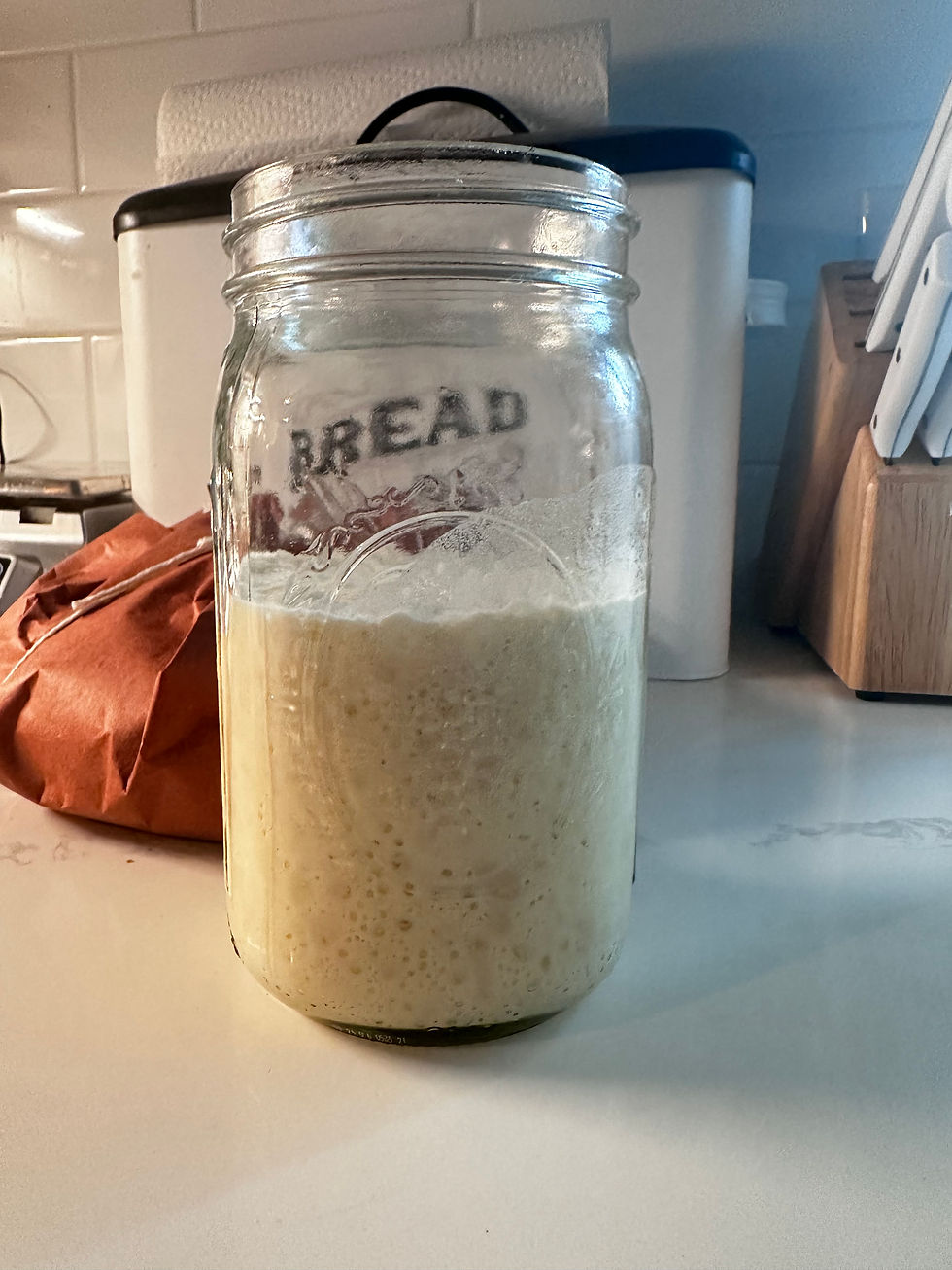
Keep your starter happy and healthy
Maintaining starter is the most critical part of sourdough making.
A all-around guide for starter maintenance
Feeling adventurous?
Explore the different types of starter: https://www.pantrymama.com/different-types-of-sourdough-starters/
Troubleshooting
Suddenly sluggish starter?
Oh no! My dough is flat! (overproofed)
Pizza sandwich! https://pizzaeveryfriday.substack.com/p/the-best-thing-to-make-with-overproofed
Focaccia! https://youtube.com/shorts/bahDsHsaVT8?si=fEjLx9i2wfXIctQT
Crackers, cinnamon rolls, or just bake it anyway! (Don't forget to add some fat)
I have to leave and my dough is/isnt ready!!
put it in the fridge
Ugh, I need to bring something and bread takes too long
fermenting and proofing at room temp is possible, start in the morning, bake in the evening.
My starter stinks!
Stir the hooch back in and FEED!!
If you ever notice mold (pink or orange color)....please toss
FERMENTATION GUIDE
***Be patient with your bread, if it's slow, you're probably doing it right

Books That Build a Strong Foundation
Books remain one of the most reliable ways to learn breadmaking. They offer detailed explanations, tested recipes, and step-by-step instructions that help you understand the process deeply.
"Flour Water Salt Yeast" by Ken Forkish
This book is a favorite among home bakers for its clear guidance on artisan bread and pizza dough. Forkish explains the importance of each ingredient and provides recipes that range from simple to advanced.
"The Bread Baker’s Apprentice" by Peter Reinhart
Reinhart’s book is a classic resource that covers everything from mixing techniques to shaping and baking. It includes troubleshooting tips and explains the science behind fermentation.
"Tartine Bread" by Chad Robertson
For those interested in sourdough, this book offers a deep dive into natural leavening and long fermentation. Robertson’s approach emphasizes patience and attention to detail.
These books not only teach recipes but also build confidence by explaining why certain steps matter. They are excellent companions for anyone serious about mastering breadmaking.
Online Resources for Recipes and Techniques
The internet offers a wealth of information, including videos, forums, and blogs dedicated to breadmaking. Here are some trusted websites and channels:
The Perfect Loaf & Pantry Mama
Two of my absolute favorites!
This website focuses on sourdough bread with detailed tutorials, troubleshooting guides, and recipe variations. It’s great for bakers who want to experiment with wild yeast.
King Arthur Baking Company
King Arthur’s site provides a wide range of recipes, from basic white bread to whole grain loaves. Their baking guides explain techniques clearly and include helpful videos.
YouTube Channels like Foodgeek and Joshua Weissman
These channels offer visual demonstrations that make complex techniques easier to understand. Watching the dough’s texture and handling in real-time helps build practical skills.
Using online resources allows you to learn at your own pace and revisit tricky steps as needed. Many sites also have active communities where you can ask questions and share your progress.
Joining Communities for Support and Inspiration
Breadmaking can sometimes feel challenging, especially when things don’t go as planned. Joining a community of fellow bakers provides encouragement, advice, and inspiration.
Reddit’s r/Breadit and r/sourdough
Super responsive communities
This subreddit is a lively forum where bakers share photos, recipes, and tips. It’s a great place to learn from others’ experiences and get feedback.
Facebook Groups like Artisan Bread Bakers
These groups offer a supportive environment to ask questions, post your bakes, and discover new recipes.
Stone-Milled Flour in Texas!
Barton Springs Mill (Dripping Springs)
my go-to
Revival Mill & Bread Co. (Lubbock)
Mill+Refill (San Marcos)
Tracking Progress and Experimenting
Keeping a baking journal is a simple but powerful tool. Record your recipes, ingredient brands, fermentation times, and oven settings. Note what worked well and what didn’t. Over time, this log helps you refine your technique and develop your own style.
Experimenting with different flours, hydration levels, and fermentation methods also expands your knowledge. For example, trying rye or spelt flour can introduce new flavors and textures. Adjusting fermentation times can change the crumb structure and taste.
Final Thoughts on Breadmaking Resources
Mastering breadmaking takes time, but the right resources make the journey smoother and more enjoyable. Books provide solid knowledge, online platforms offer practical guidance, tools improve your process, and communities keep you inspired. Tracking your progress and experimenting encourages growth and creativity.
I am available for any urgent questions, welcome to your sourdough journey. Happy Baking!
***If there is anything you think improves this page, please let me know


Comments